
Agastya Lake lies at the foothills of Badami cliffs, surrounded by ancient temples and caves. The tranquil water and red sandstone hills create a picturesque historical landscape.
Raichur, located in northern Karnataka, is known for its historic forts, temples, and scenic landscapes along the Krishna River. The district offers a blend of archaeological sites, religious centers, and natural attractions, making it appealing to history enthusiasts and spiritual travelers. Raichur is also recognized for its rich cultural heritage and ancient inscriptions.
Raichur Fort, Anegundi (nearby historical site), Devadurga Fort, Maski Archaeological Site, Basava Temple, Mudgal Fort, Narayanpur Temple, Sangameshwara Temple, Shorapur Fort, Mantralayam (Raghavendra Swamy Mutt, nearby), Durgi Fort, Tungabhadra River Views, Koppal Fort (nearby), Pampa Sarovar.
Raichur Fort is a historic hill fort built during the Kakatiya period and later expanded by Vijayanagara rulers, featuring strong stone walls, ancient gateways, and panoramic views.
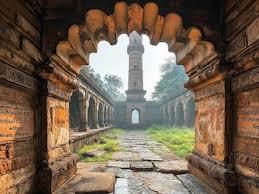
Ek Minar Ki Masjid is a unique mosque known for its single tall minaret and elegant Islamic architecture, standing as an important historical monument from the Bahmani period.
Jaladurga Fort stands on an island in the Krishna River. Surrounded by water and rocky terrain, the historic fort offers scenic views and reflects the region’s medieval military architecture.
Mudgal Fort is a massive medieval fort known for its strong granite walls, ancient gateways, and historical significance during the Bahmani and Vijayanagara periods.
Mantralayam, located near Raichur, is a famous pilgrimage town housing the sacred samadhi of Sri Raghavendra Swamy, attracting thousands of devotees throughout the year.
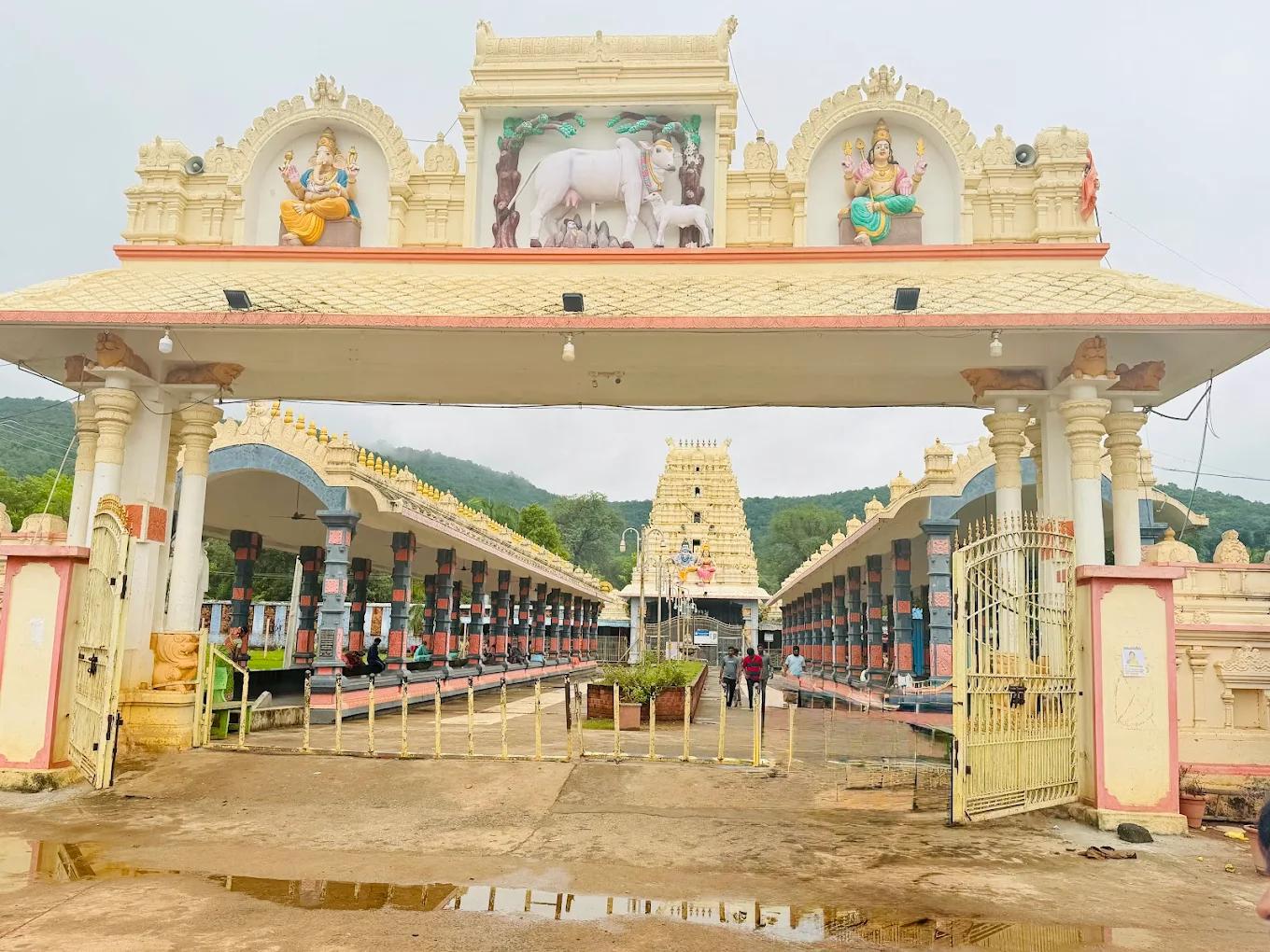
Mahanandi Temple is an ancient Shiva temple known for its peaceful surroundings, traditional architecture, and spiritual importance among devotees visiting Raichur district.
Kalaburagi, formerly known as Gulbarga, is located in northern Karnataka and is famous for its historic monuments, Islamic architecture, and religious sites. The district attracts travelers interested in forts, tombs, and temples, reflecting the rich heritage of the Bahmani Sultanate. Kalaburagi is also known for its cultural festivals, traditional cuisine, and serene landscapes.
Gulbarga Fort, Khwaja Bande Nawaz Dargah, Jama Masjid, Haft Gumbaz, Sharana Basaveshwara Temple, Channaraya Swamy Temple, Navaratta Forts (nearby), Sedam Fort, Kalaburagi Lake, Sannati Archaeological Site, Gogi Fort, St. Mary’s Church, Kabbaldurga, Basaveshwar Temple (nearby).
Gulbarga Fort is a historic 14th-century fort located in Kalaburagi (formerly
Gulbarga). It was built by Alauddin Bahman Shah, the founder of the Bahmani Sultanate.
Jama Masjid inside Kalaburagi Fort is an impressive mosque inspired by the Great Mosque of Cordoba, known for its large domes, arches, and elegant Islamic architecture.
Khwaja Bande Nawaz Dargah is a revered Sufi shrine dedicated to Hazrat Khwaja Bande Nawaz, attracting thousands of devotees who seek blessings and spiritual peace.
Buddha Vihar is a peaceful Buddhist temple complex with a large Buddha statue, meditation halls, and serene surroundings, promoting spiritual reflection and cultural harmony.